
Chain Link Fence
Chain Link Fence
Hot-Dip Galvanised or PVC Coated Chain Link Fence
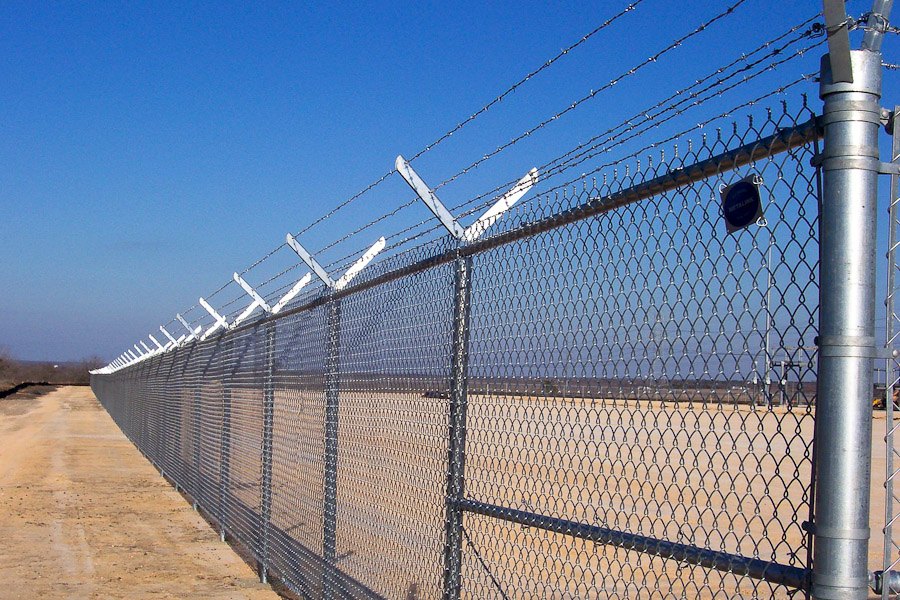
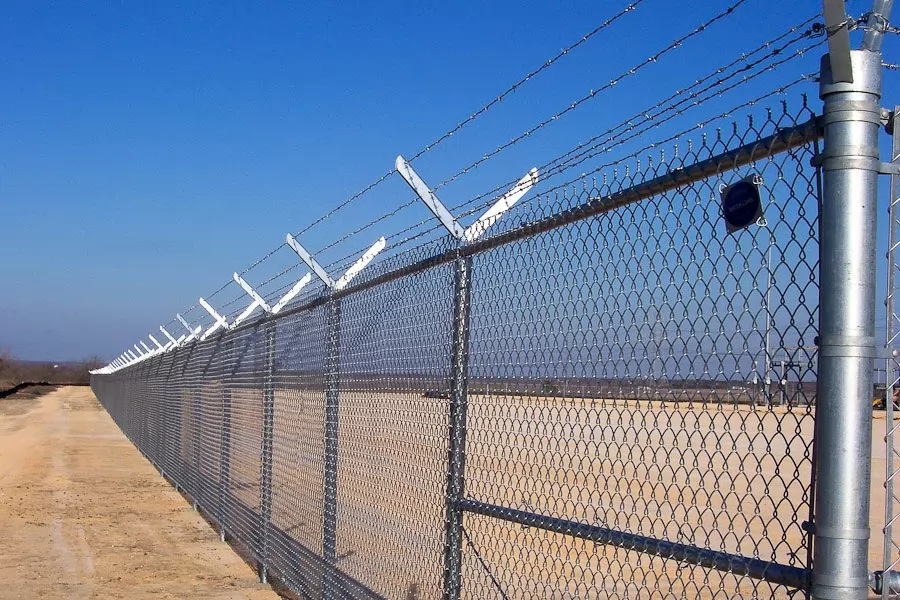
The same chain link panel is sold with two finishes, and the price difference between them is small compared with the cost of replacing a fence early. The choice is not about quality: it is about what the site will do to the coating.
Galvanising works by sacrificial protection. The zinc layer corrodes before the steel does, and it protects cut ends and scratches because the zinc around the damage is consumed first. On an inland site with normal rainfall this is enough for a long service life, and it is the finish that ages predictably: dull grey, then duller grey.
Salt spray, ammonia from livestock buildings, fertiliser storage and industrial atmospheres all consume the zinc layer much faster than a buyer expects. A fence that would last decades inland can look tired within a few years on a coastal site.
PVC coating over a galvanised core adds a barrier layer on top of the same protection. It also allows colour, which matters when the fence has to sit quietly against a building or a garden.
Damage. Galvanising self-heals small scratches; PVC does not, so coated panels must be handled as finished goods.
Repair. A galvanised run can be touched up with zinc-rich paint; a coated run cannot be matched invisibly.
Appearance. Coated mesh hides rust stains better and looks newer longer, which is often the real reason it is chosen.
Cost. The coating is a modest premium on the panel and a large saving if it prevents replacement.
Distance to the coast, what is stored or housed next to the fence, and how visible the boundary needs to be. If any of the first two is adverse, specify coated. If the site is inland and the fence will never be seen closely, galvanised is the rational choice.
Run length, height and gate openings
Site location and distance to the sea
Finish preference, or the site conditions if you want a recommendation
Ground type
Supply only outside China; erection by the client's contractor.
Related: chain link panels and the fence cost guide.


