
Chain Link Fence
Chain Link Fence
Chain Link Fence Bottom Detail: Rail or Tension Wire
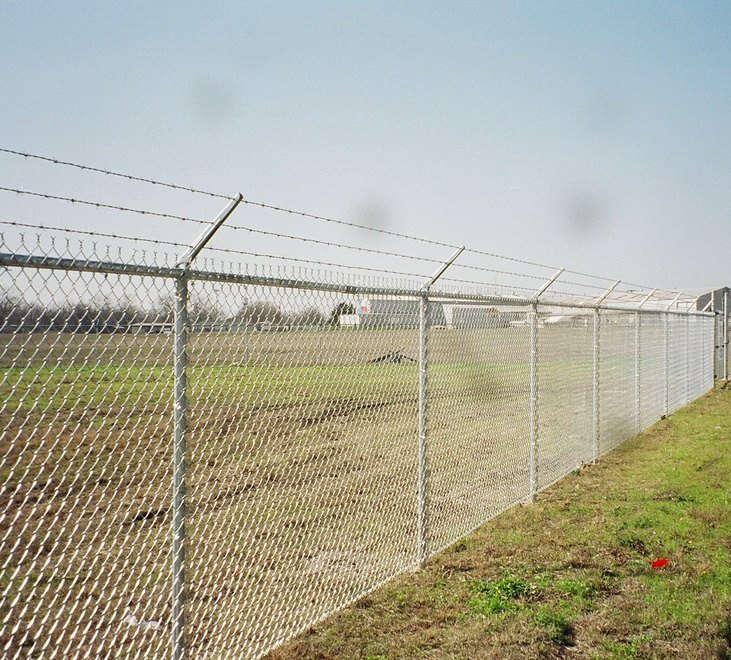
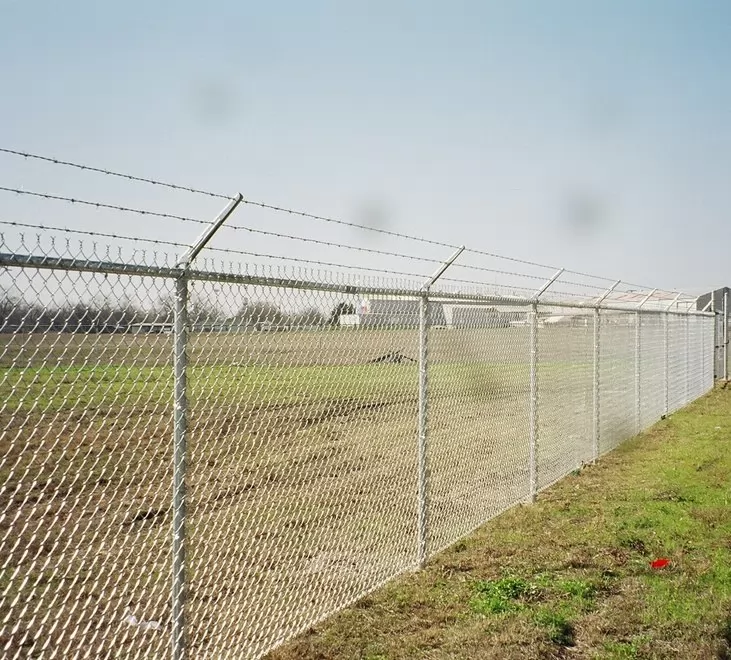
Most chain link fences are described by height and mesh size. The detail that decides whether the fence still looks right after two winters is at the bottom: a rail, or a tension wire. They are not interchangeable, and choosing the wrong one is a common and expensive mistake.
The wire runs through the bottom of the mesh, is anchored at both ends, and is tensioned so the mesh cannot lift or gap at ground level. It is lighter and cheaper than a bottom rail, and it follows ground that is not level, which is why it is common on long boundary runs.
A tension wire holds the mesh down; it does not resist a horizontal push at the bottom of the panel. On a site where people or vehicles routinely press against the fence, a bottom rail is the correct detail. The same applies where the fence has to deter climbing, because a slack bottom edge is the first thing tested.
The other failure is installation. A wire that is not tensioned properly, or that is simply tied off at the posts instead of anchored, sags within a season and the mesh lifts in the wind.
Anchor the wire at both ends with a proper tension bar, not a tie
Keep the wire below the mesh knuckle so it cannot slip up
On sloping ground, let the wire follow the line and keep the posts plumb
Specify rail or wire per run, not per project, if the site changes character
Run length, height, and whether the ground is level or sloping
Whether the bottom detail is rail or wire, or mixed by section
Coating preference and distance to the coast
Gate positions and widths
Supply only outside China; installation is by the client's contractor.
Related: diamond mesh chain link panels and anti-climb fence specification.


