
CA Temporary Fence
CA Temporary Fence
Outdoor Temporary Fence Panels


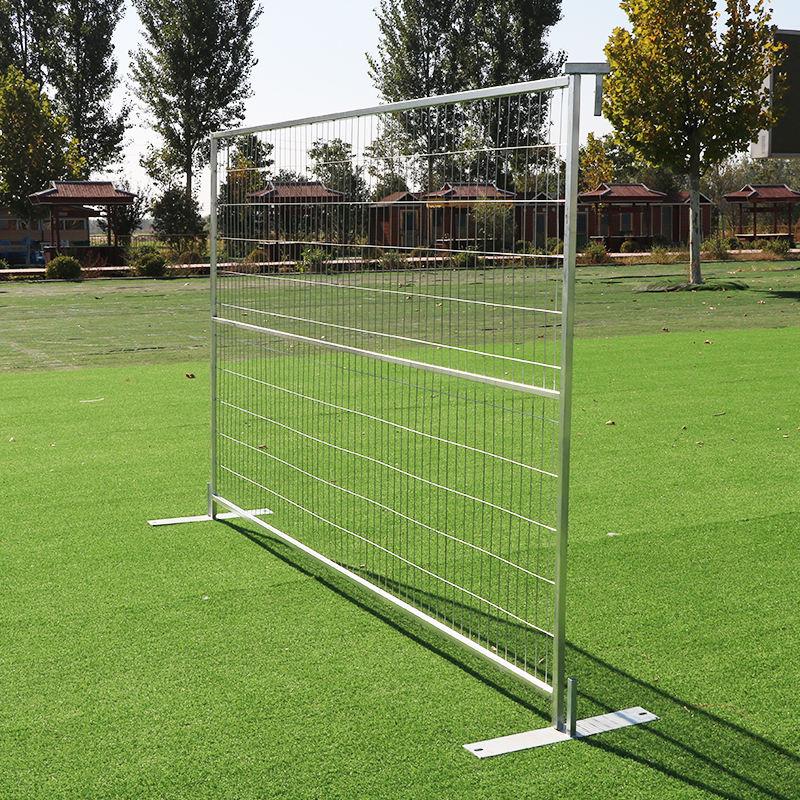

What Weather Does to a Panel
A temporary panel is left out for months, not weeks. Sun degrades any coating, rain sits in the bottom rail, wind works at the couplers, and the feet sink into soft ground after a wet spell.
None of that shows on delivery. It shows in the second season, which is when a cheap panel and a specified one separate.
Coating for Outdoor Life
The durable build is hot dip galvanised wire and tube, welded, then coated. The zinc carries the corrosion protection; the coating carries colour and a smooth surface.
A panel that is coated over untreated steel looks identical in a photograph and rusts from every scratch, weld and cut.

Mesh, Frame and Feet

Mesh is usually 50 x 100 mm or 50 x 200 mm on 3 mm to 4 mm wire. A tighter mesh catches more wind, which increases the load on the feet rather than improving the fence.
Frame tube size and wall thickness decide how the panel behaves after a knock; a thin wall dents and stays dented.
Runs on Exposed Ground
On open ground the run needs returns at both ends and heavier feet. A straight line with free ends is the shape that fails first in wind.
A panel is only as stable as its foot: an empty plastic foot on wet ground is the usual cause of a run going over.


Long-Term Hire Stock
For stock that will be hired out for years, the specification should include the zinc weight, the coating thickness at the couplers, and a foot that can be replaced on its own.
Spare panels in the same size keep a run serviceable without a new order.
What to Send

Send panel size, mesh and wire, frame tube, coating system and colour, foot type, quantity, site exposure and the port of discharge.


