
CA Temporary Fence
CA Temporary Fence
Hot Dip Galvanised Portable Fence Panels


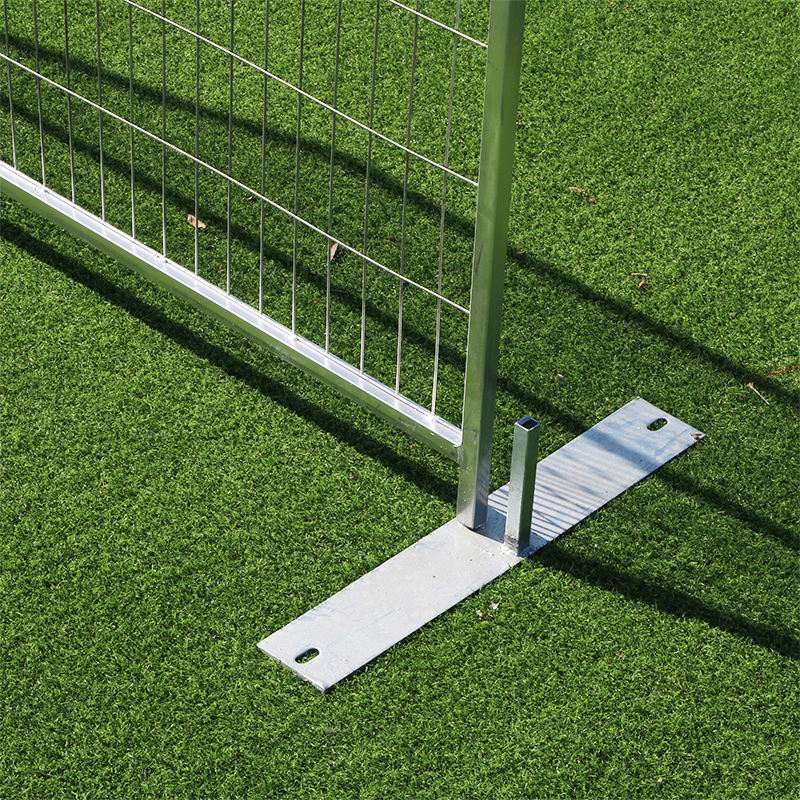

Two Ways to Galvanise a Panel
A welded panel can be galvanised after welding so the zinc covers the weld and the inside of the frame, or built from pre-galvanised tube and wire, which loses its coating at every weld and cut.
The two look alike on delivery. They do not last alike on a coastal site, and the difference is not visible in a photograph.
What the Zinc Covers
Hot dipping coats the outside and the inside of the tube, and closes over the weld at each mesh crossing. On a portable panel that matters because the frame is handled, dragged and stacked - the coating gets abraded, and the zinc around the damage protects the steel beside it.
Ask for the zinc weight rather than the word galvanised; the same word covers a wide range.

Coastal and Long-Term Sites

On a site that will run for years, or within a few kilometres of the sea, the galvanising is what decides whether the panels are still usable at the end of the project.
A painted panel protects only where the film is intact; a galvanised panel protects at the scratch too. For hire stock that is bought once and used for a decade, that difference is the whole economics.
Cut Ends and Couplers
Every cut exposes bare steel. Panels cut on site should be treated at the cut with a zinc-rich paint before the panel goes back into the run.
Couplers and bolts are the other weak point: galvanised couplers against a galvanised frame are fine, self-colour steel fittings rust and stain the panels around them.


Order and Lead Time
Galvanising is a separate process, so it sets the lead time rather than the welding line. If a delivery date is fixed, say so at enquiry: the sequence that meets it is not always the cheapest one.
Mixed panel sizes in one order are usually dipped together, so the quantity matters less than the batch schedule.
What to Send

Send panel size, mesh and wire, frame tube, zinc weight or service environment, foot type, quantity, required delivery window and the port of discharge.


