
CA Temporary Fence
CA Temporary Fence
Portable Galvanised Temporary Fence Panels


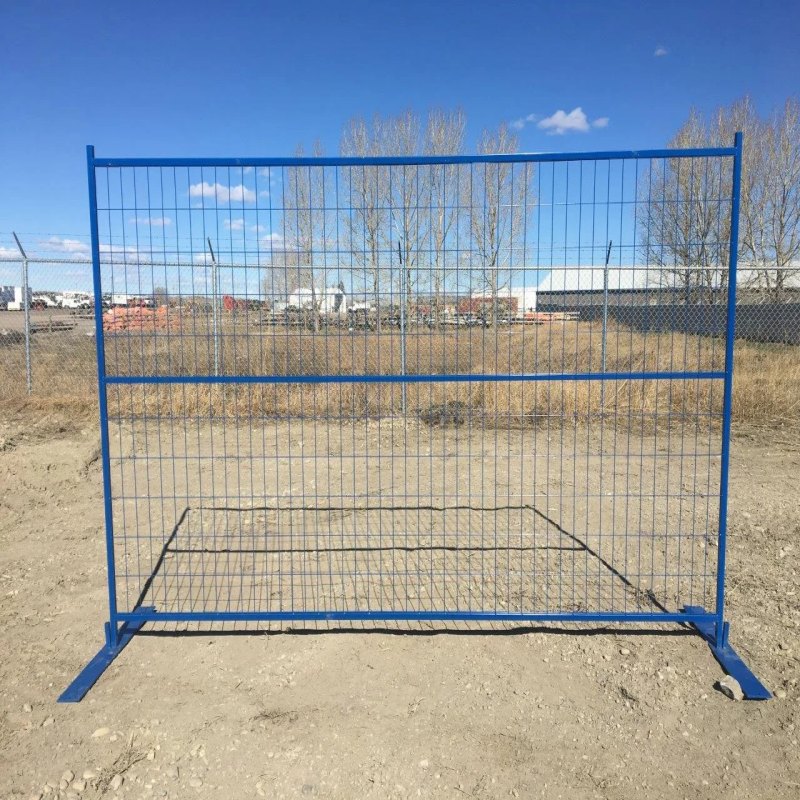

What Portable Means on Site
Portable means the fence is a set of units, not a structure: each panel stands in its own foot, couples to its neighbour and can be lifted out on its own. Nothing is dug, poured or cut.
That is what makes it usable on a site that changes shape every few weeks, and it is also the limit: a portable run is only as stable as its feet.
Panel and Foot as One Unit
The panel is a welded tube frame with mesh inside, standing in a blow moulded plastic foot which may be filled with water or sand, or a concrete block.
The foot does the work a foundation would do. A light empty foot on a hard smooth surface is the reason temporary runs lean, and it is the first thing to check on a windy site.

Moving a Run

Panels uncouple at the uprights, stack flat and reload. A run of twenty panels moves in a morning with two people and a flatbed.
Because the panels are identical, a damaged one can be swapped without matching a specific position in the run - which is not true of a fabricated fence.
Storage Between Phases
Panels stack flat and take little height, so a compound can hold a run that is out of use. Feet store separately and take more space than the panels themselves.
Stack on timber, not on the ground: a frame standing in water rusts at the bottom rail first.


Wind and Bracing
A free-standing run resists wind through its own weight and the coupled line. On an exposed site the run needs either heavier feet, or a shorter run with returns at the ends, or both.
Returns matter: a straight line with nothing at the ends is the shape that fails first.
What to Send

Send panel height and width, mesh and wire, frame tube, finish, foot type, total quantity, site exposure, and the port of discharge.


